Data engineering
Big Data pipeline on a Hadoop cluster
A 10-node Hadoop cluster to process GDELT events, and an Airflow-orchestrated ETL pipeline feeding a weather warehouse for the UEMOA area.
- 10 nodes containerised Hadoop cluster
- Hourly automatic weather data refresh
- Star schema analytical warehouse model
Screenshots
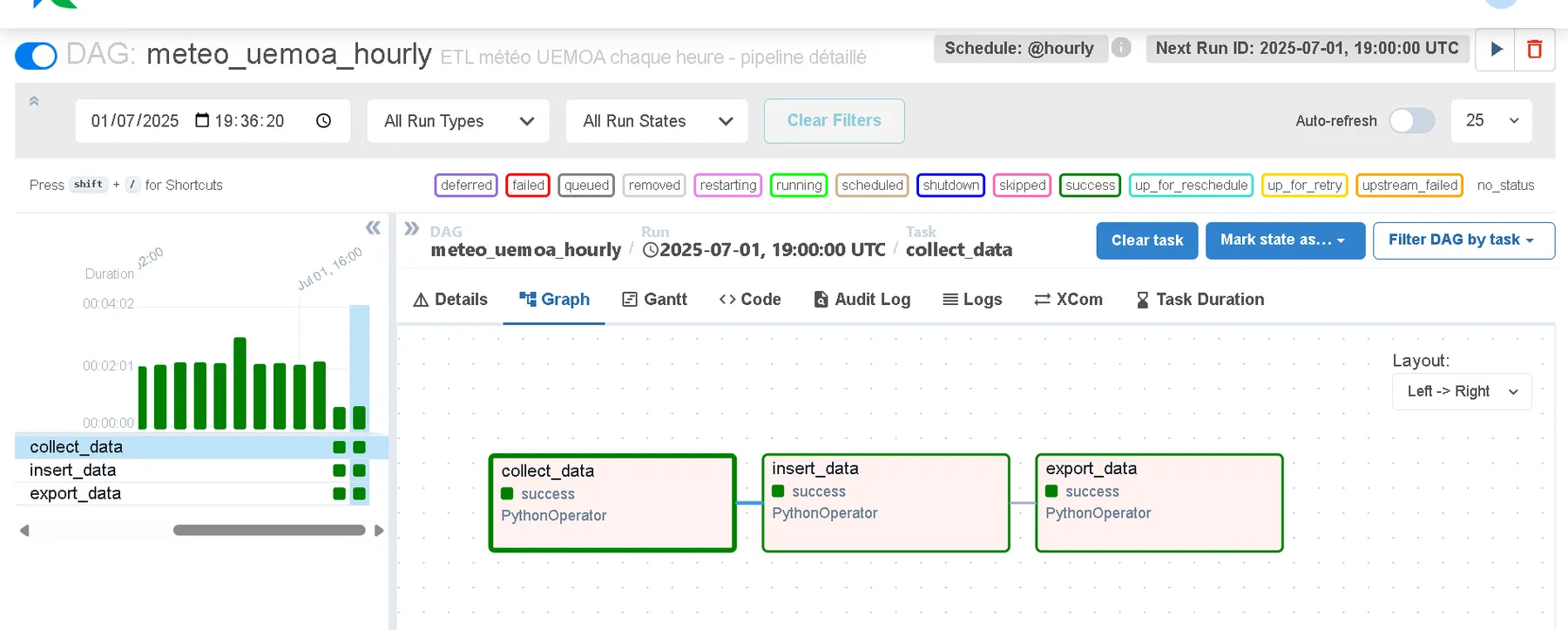
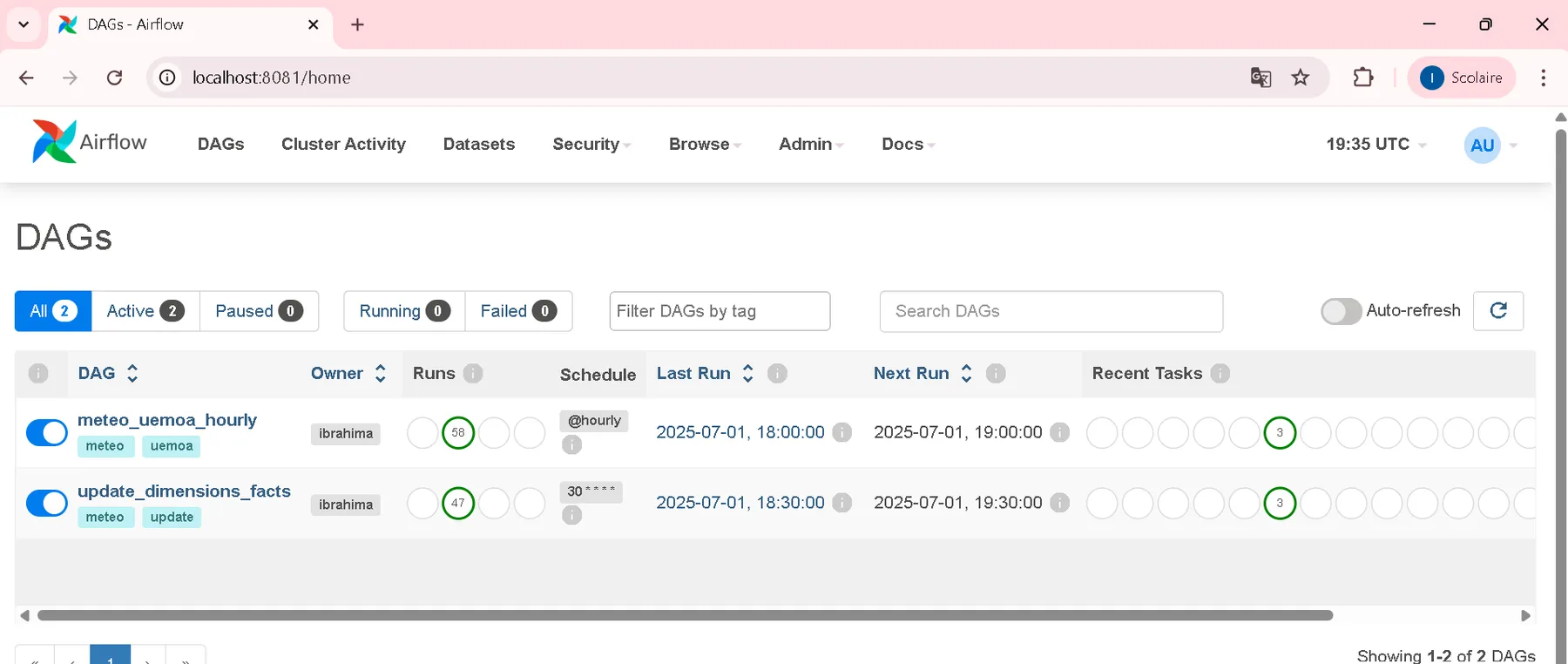
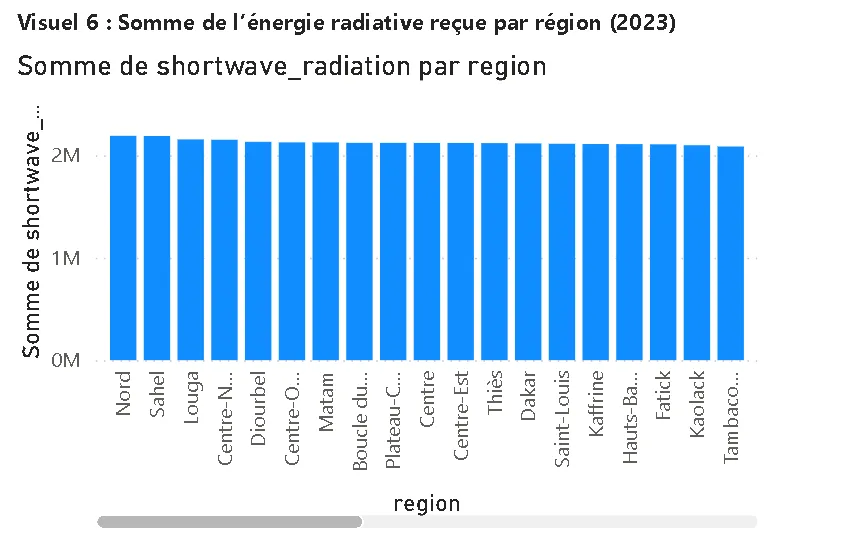
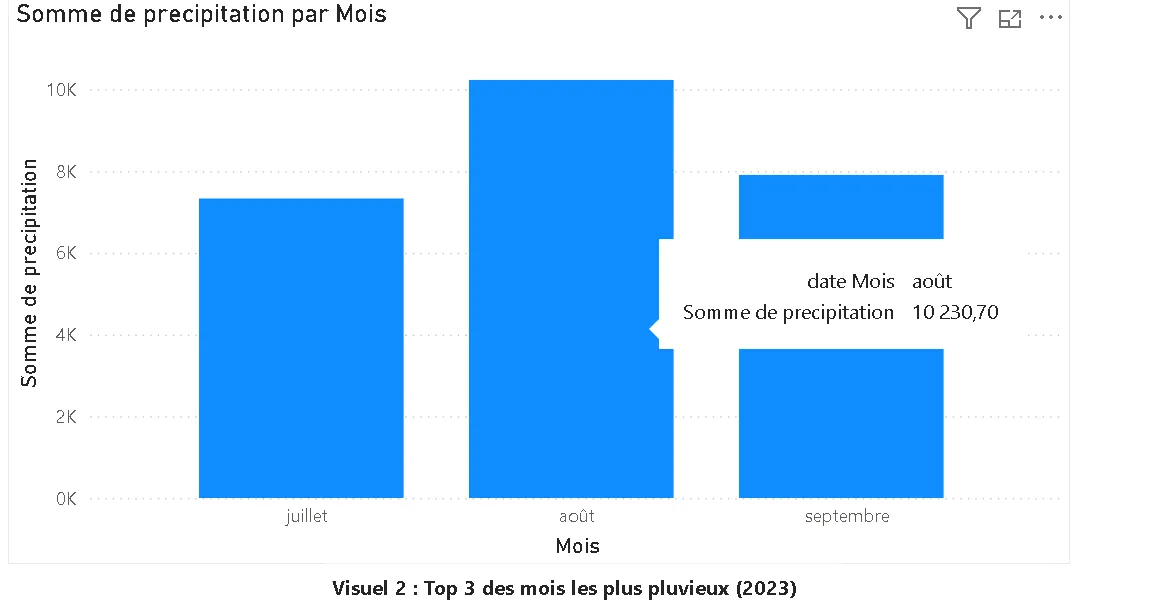
Screenshots taken from the project report. Weather warehouse part (Data Engineering programme, FORCE-N).
What this project shows
The project covers both sides of data engineering: distributed processing and feeding an analytical warehouse. It extends the FORCE-N Data Engineering certificate.
Context, approach and architecture
Context
Two complementary building blocks of data engineering: processing a large event dataset on a distributed architecture, and feeding an analytical warehouse automatically.
Approach
-
10-node Hadoop 3.2.1 cluster (1 NameNode, 9 DataNodes) deployed with Docker Compose.
-
Java MapReduce job aggregating GDELT events by country and event type.
-
Python ETL pipeline orchestrated by Apache Airflow (on Docker): hourly collection from the Open-Meteo API.
-
PostgreSQL star-schema warehouse with incremental loads and indexing, then Power BI dashboards.
Architecture
- Hadoop ×10
- 1 NameNode, 9 DataNodes
- MapReduce
- GDELT event aggregation (Java)
- Airflow
- weather ETL orchestration
- PostgreSQL
- star-schema warehouse
- Power BI
- dashboards